
Why Gen Z Connects More With Viral Memes Than Advertisements
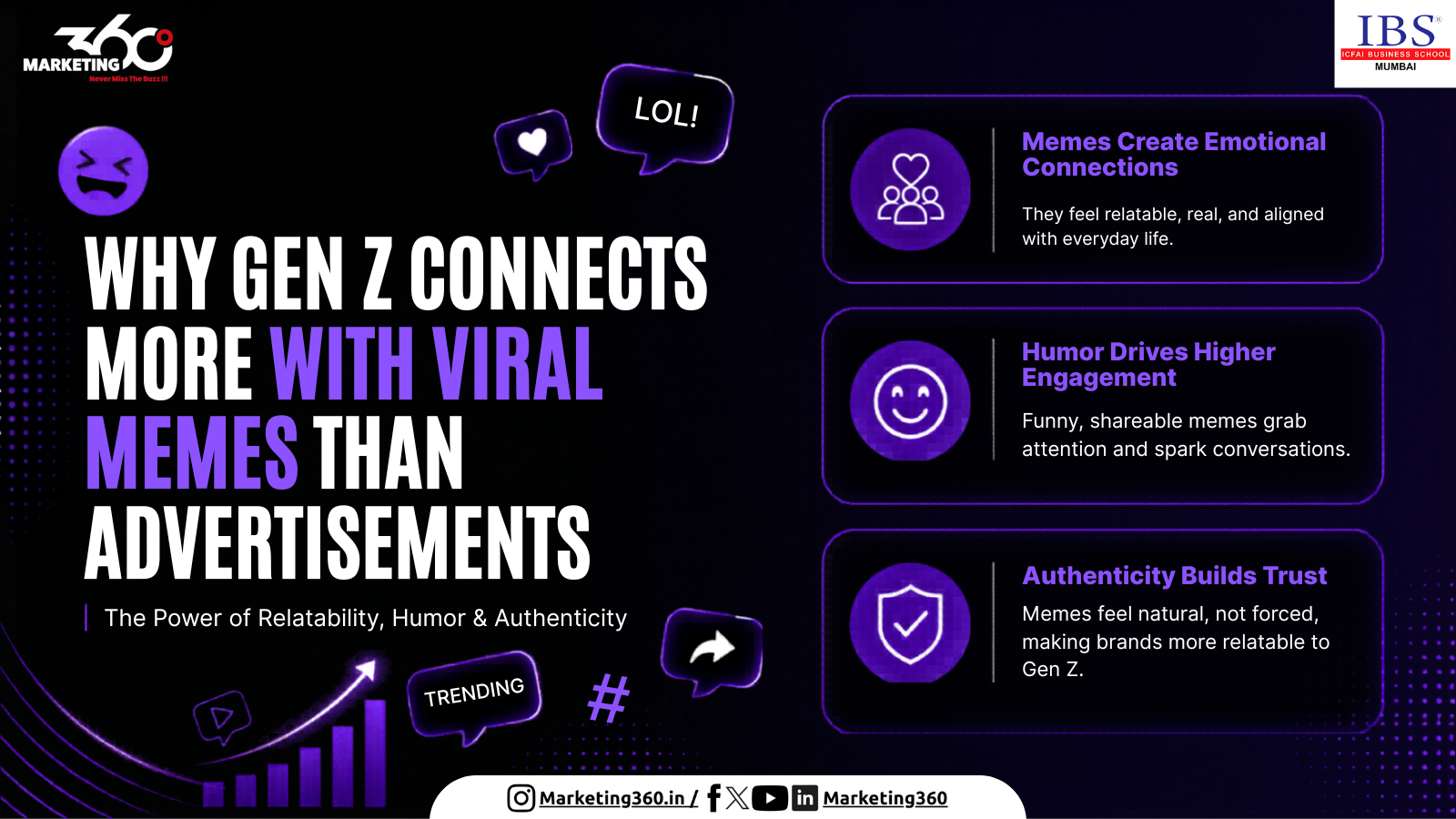
Key Takeaways:
- Understand why memes connect emotionally with Gen Z audiences.
- Learn how humor and relatability increase engagement in marketing.
Introduction:
Imagine scrolling through social media and instantly stopping at a meme that perfectly describes your mood or daily life. You laugh, relate to it, and maybe even share it with friends within seconds. But when a traditional advertisement appears, most people simply skip it. Why does this happen? This is where Meme Marketing becomes powerful. Today’s audiences, especially younger consumers, are constantly exposed to advertisements. Because of this overload, people no longer connect with overly polished or sales-focused promotions. Instead, they prefer content that feels authentic, entertaining, and relatable. In the current scenario, memes have become more than just internet jokes. They are now a communication style that brands use to build emotional connections, increase engagement, and stay culturally relevant.
Why it is important today:
Modern consumers spend a significant amount of time on social media platforms where attention spans are shorter than ever. Traditional advertisements often feel interruptive, while memes blend naturally into online conversations. This shift has changed how brands communicate with audiences. Instead of pushing direct sales messages, businesses now focus on creating content that people genuinely enjoy interacting with. Meme Marketing works because it feels less like advertising and more like entertainment. It creates familiarity, encourages sharing, and allows brands to appear more human and approachable. In Gen Z Marketing, relatability has become one of the strongest tools for capturing attention and building trust. Without adapting to these changing preferences, brands risk appearing disconnected from modern digital culture.
Understanding the process:
1. Relatability – “This feels exactly like me.”
Memes often reflect everyday emotions, situations, and experiences that people instantly recognize. When audiences relate to content, they feel understood. This emotional connection makes brands feel more approachable and memorable. In Meme Marketing, relatability is what transforms simple content into highly shareable communication.
2. Humor Creates Attention – “This made me laugh.”
Humor naturally attracts people and increases engagement. Unlike traditional advertisements that focus heavily on selling, memes entertain first and promote second. This makes users more willing to interact with branded content. In Gen Z Marketing, humor helps brands break through the noise of endless online content.
3. Cultural Relevance – “This brand understands internet culture.”
Memes are deeply connected to trends, conversations, and online culture. Brands that use memes effectively show audiences that they understand current digital behavior. This creates a sense of connection and relevance. Consumers are more likely to engage with brands that feel culturally aware rather than overly corporate.
4. Shareability – “I need to send this to someone.”
People naturally share content that makes them laugh or feel understood. Memes encourage organic sharing because they are quick, entertaining, and easy to consume. This gives Meme Marketing strong viral potential, helping brands reach wider audiences without relying entirely on paid promotions.
5. Authenticity – “This feels real.”
Gen Z consumers value authenticity more than polished perfection. Overly scripted advertisements often feel forced, while memes feel spontaneous and genuine. Brands that communicate casually and naturally through memes appear more trustworthy and relatable to younger audiences.
Why does this approach work so well?
This approach works because it aligns with changing consumer behavior and digital communication habits. Younger audiences prefer interaction over interruption. They want brands to participate in conversations rather than simply advertise products. Meme Marketing succeeds because it combines emotion, entertainment, and cultural relevance. Instead of directly selling, it creates moments of connection that audiences willingly engage with and share. In Gen Z Marketing, attention is earned through relatability, not just visibility. Memes create emotional familiarity, and familiarity increases trust and engagement. When brands understand how internet culture influences consumer behavior, they can communicate in ways that feel more personal and meaningful.
Conclusion:
The rise of memes reflects a larger shift in how people consume and engage with content online. Audiences no longer want advertisements that simply promote products. They want content that entertains, relates, and feels authentic. Meme Marketing has become effective because it transforms marketing into conversation rather than promotion. Through humor, relatability, and cultural relevance, brands can create stronger emotional connections with consumers. By understanding the principles of Gen Z Marketing, businesses can adapt to modern communication styles and build deeper engagement with younger audiences. In the end, the brands people remember are not always the ones that advertise the most, but the ones that make people feel understood.
External Link: https://bit.ly/4uGQOml

Aastha Jain
Content writer

Tirth Dave
Graphic designer

Vidhi Ravaria
Content Editor