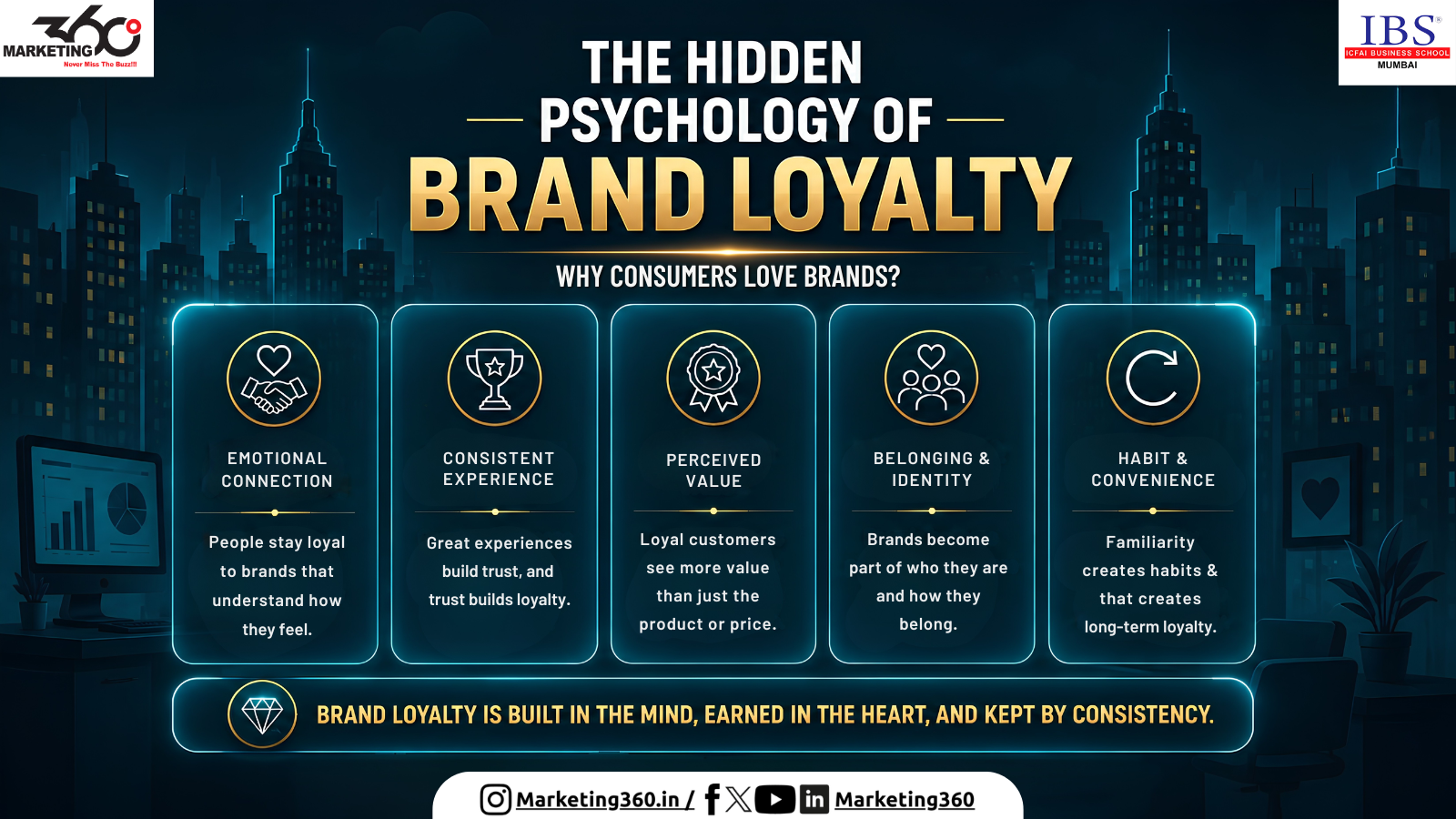
Brand loyalty grows through trust and emotional connection.
Consumers pay more for brands offering consistent quality.
Brand trust drives repeat purchases and recommendations.
Introduction:
In the world of endless products, why would a customer choose Nike rather than an anonymous shoe? Why would he or she pick Apple rather than a budget phone? This can be explained by the concept of brand loyalty. It refers to the process where customers continuously use a particular brand despite the presence of other brands that cost less. What we see here is not simply about what the product does, but what the brand stands for. Nowadays, it is not only about selling goods to people anymore; instead, it is about selling something more to them.
Brand preference by consumers is an aspect that can be considered psychological. Consumers are bound to keep buying the same brands when they connect them to feelings such as satisfaction, luxury, and reliability. Emotional branding refers to developing stories that appeal to customers psychologically. Examples of brands that have excelled at emotional branding include Coca-Cola and Apple; their stories relate to happiness and creativity, respectively. Numerous studies conducted on consumer behaviour have indicated that consumers are emotional in 70% of their decisions, while rationality accounts for 30%. This is why emotional branding works well since it enables consumers to go with what they know in times of doubt. Once they create a connection with your brand through emotion, they will be immune to competitors’ efforts to woo them away through lower prices.
How Brands Build Lasting Loyalty
Brand loyalty calls for consistency, authenticity, and community. Consistency is one of the factors that ensures that consumers keep buying a brand. Storytelling is a powerful tool used by many successful brands to achieve brand Trust. In this case, a brand whose story communicates its mission and values attracts consumers with the same vision. Nike, for instance, has a brand slogan which means everything to many people, as evident from the statement: “It is more than a slogan; it is an identity.” Brand loyalty is also driven by peer endorsement; people buy what others recommend to them. This can be enhanced through the use of rewards programmes and excellent customer service, among others.
Conclusion:
In the competitive environment of today’s market, a product may have its counterpart, but not necessarily a brand. A company gains a competitive advantage by having the ability to generate loyal customers who will keep coming back for more. This is what brands do better than mere products; they give people a feeling of belonging and quality, besides providing them with an emotional connection that will stand the test of time. Emotional branding is therefore essential in building brand trust, which is central to the success of any business enterprise.