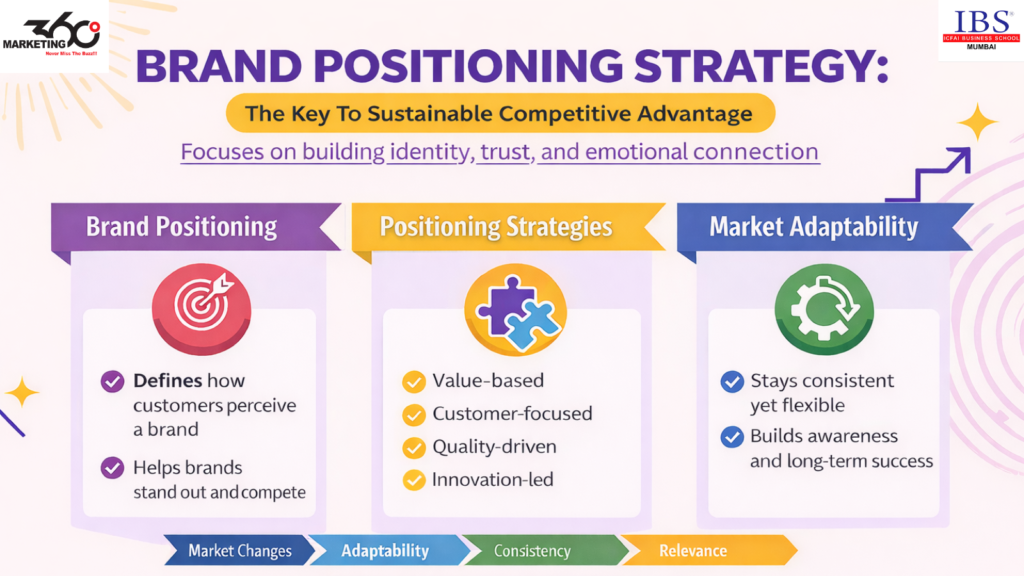
Brand positioning is about how people see a brand.
It builds trust and emotional connection.
Clear positioning helps brands stand out.
Introduction:
A brand isn’t just about what it sells. It’s all about what people think when they hear the name. People are always sizing up brands, weighing value, dependability, and whether anything really grabs their attention on a personal level. If a company doesn’t showcase what makes it special, it’s likely to fade into the background. Planning a solid Brand Positioning Strategy means you can carve out your own spot in the market, draw in the kind of customers you actually want, and keep up as competition gets tougher by the day.
Effective Brand Positioning Techniques:
Not every market or group of customers responds to the same playbook. Here’s a quick look at some common ways brands claim their space:
Value-Based Positioning: Focuses on benefits rather than price. Brands highlight quality, innovation, and experience to create long-term value and competitive advantage. Example: Apple emphasizes design, ecosystem, and user experience, convincing customers that they receive superior overall value.
Quality Positioning: Builds a brand’s image around durability, performance, and craftsmanship. Higher prices are justified through trust and excellence. Example: Rolex promotes precision and premium craftsmanship as its strongest selling points.
Price-Based Positioning: Aims to attract price-sensitive customers by offering affordability and consistent low prices, relying heavily on operational efficiency. Example: Walmart is known for its “Everyday Low Prices” strategy.
Customer-Centric Positioning: Focuses on understanding customer needs, lifestyles, and emotions. Brands that consistently meet these expectations build strong loyalty and long-lasting relationships. Example: Amazon prioritizes fast delivery, convenience, and customer service, making the customer experience its main strength.
Competitive Positioning: Involves directly differentiating from rivals by highlighting unique strengths. When done well, it increases visibility and creates a clear competitive advantage. Example: Pepsi positions itself as youthful and energetic compared to competitors.
Innovation-Based Positioning: Presents brands as leaders by constantly introducing new ideas and technologies. Example: Tesla stands out through electric vehicles and autonomous driving innovations.
Strategic Brand Positioning in a Changing Market:
There’s no magic recipe for getting brand positioning right every time. The market shifts around a lot; people’s wants change; industry fads come and go, all of that really steers where things end up. Big-name brands usually lean into emotional angles or focus on the values they stand for to keep their high-end status. Newer players? They often try to stand out by offering something unique just to get noticed at first. But if your message keeps changing or you make promises you don’t keep, people notice fast and not in a good way. If you’ve got a clear positioning strategy about where your brand stands, it’s easier to adjust as things change without losing your spot at the top.
Brand positioning strategy isn’t some one-and-done decision; it keeps evolving as things shift around you. You have to actually get why people buy stuff and pay attention to what’s happening in your space, not just rest on what makes your brand great now. If you pull this off well, more people know about you, trust goes up, and loyalty follows, which sets the stage for sticking around long-term. In such a crowded field out there, only the brands that say who they are (and back it up) truly break through the noise. How would you approach positioning if you wanted your brand to stand out? Drop your ideas below, curious to know what everyone thinks?