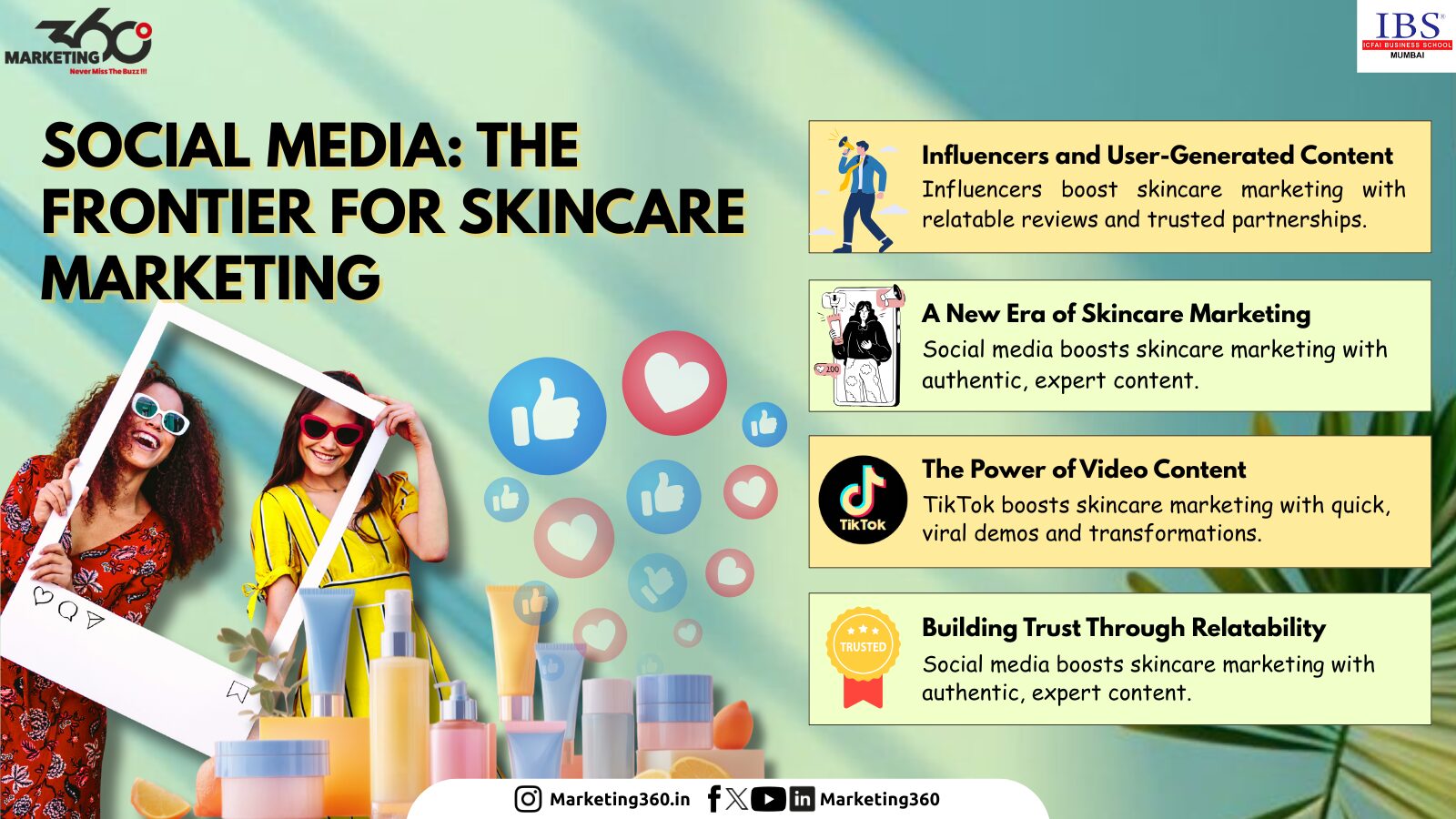
● Social media shapes skincare marketing. ● Builds trust through transparency. ● Engagement fosters loyalty and community. ● Viral videos boost product sales.
Introduction
In today’s fast-paced, digital-first world, skincare has evolved beyond just creams, lotions, and serums. It’s now about building relationships, establishing trust, and sparking meaningful conversations. Gone are the days when skincare brands solely relied on traditional advertising – TV spots, glossy print ads, and towering billboards. Enter the new era: social media. With billions of users swiping, liking, sharing, and engaging daily, platforms like Instagram, TikTok, and YouTube have become the heartbeat of skincare marketing. But why has this shift occurred? Why has social media become the go-to space for skincare brands, and how are they harnessing its power to connect with today’s savvy consumers? Let’s dive into the world where beauty meets the digital age.
The Rise of Social Media’s Influence
To understand why social media has become the hub for skincare marketing, we need to look at how consumer habits have changed. According to a 2023 study by Statista, more than 80% of people aged 18-34 use social media to research beauty and skincare products before making a purchase. This trend shows just how powerful digital platforms have become in shaping consumer choices. Gone are the days of relying solely on a glossy magazine ad or a celebrity endorsement on TV. Now, a quick search on Instagram or TikTok can offer an entire world of skincare tutorials, reviews, and product recommendations from real people, not just models or influencers.
Building Trust Through Relatability
One of the key reasons why social media is so effective in skincare marketing is that it allows brands to build trust with potential customers. People today want authenticity and transparency. Social media enables a brand to show the human side of their products, whether it’s sharing behind-the-scenes content, customer testimonials, or even collaborations with skincare experts. Take, for example, the success of brands like The Ordinary, which has used platforms like Instagram to explain the science behind its products. The brand’s approach isn’t just about selling a product it’s about educating consumers. By sharing honest, scientific information in an easy-to-understand format, they’ve built a loyal community of skincare enthusiasts who trust their expertise.
Another major factor in social media’s dominance is the role of influencers. Influencers aren’t just celebrities with millions of followers anymore—they can be everyday people who share their personal experiences with skincare. Their recommendations often feel more relatable and trustworthy than traditional advertising. Influencers can make or break a product’s success, and skincare brands have tapped into this by sending free products to influencers for reviews or paid partnerships. A perfect example is the rise of Hyram Yarbro, a skincare influencer who gained millions of followers on TikTok by reviewing skincare products and giving honest advice. Brands that partnered with Hyram saw their products sell out within hours of his endorsement, proving just how much power influencers hold in the skincare industry. What makes influencer marketing on social media particularly effective is the concept of “user-generated content” (UGC). UGC refers to any content, such as videos or photos, that real customers create and share. When customers post pictures of themselves using skincare products and rave about the results, it acts as an authentic endorsement. Potential buyers see these posts as trustworthy because they come from real people, not paid actors. Skincare brands encourage UGC by creating branded hashtags, asking for reviews, or holding giveaways
The Power of Video Content
The power of video content has further propelled skincare marketing on social media. TikTok, in particular, has seen a surge in skincare-related videos, from quick product demos to before-and-after transformation clips. These bite-sized videos have the power to go viral, with skincare routines or product reviews quickly spreading to millions of viewers. For instance, a simple TikTok video showing a user applying a new facial mask can result in thousands of likes, comments, and shares. The short format is perfect for showcasing how a product works in real-time, which helps boost consumer confidence and prompt immediate purchases. Brands that utilize video content effectively are often the ones that see the greatest success, as they cater to the audience’s need for quick, engaging, and informative content.
A New Era of Skincare Marketing
As we continue to witness the shift from traditional advertising to digital platforms, it’s clear that social media has become a crucial tool for skincare marketing. Brands are no longer just selling products; they are fostering communities, educating their audience, and building trust with real, relatable content. With the rise of influencers, user-generated content, and interactive platforms, social media has transformed the way skincare brands connect with consumers. Whether it’s through a viral TikTok video, an informative Instagram post, or a detailed YouTube tutorial, social media has undeniably become the frontier for skincare marketing. The question is, as a brand, are you ready to join the conversation?