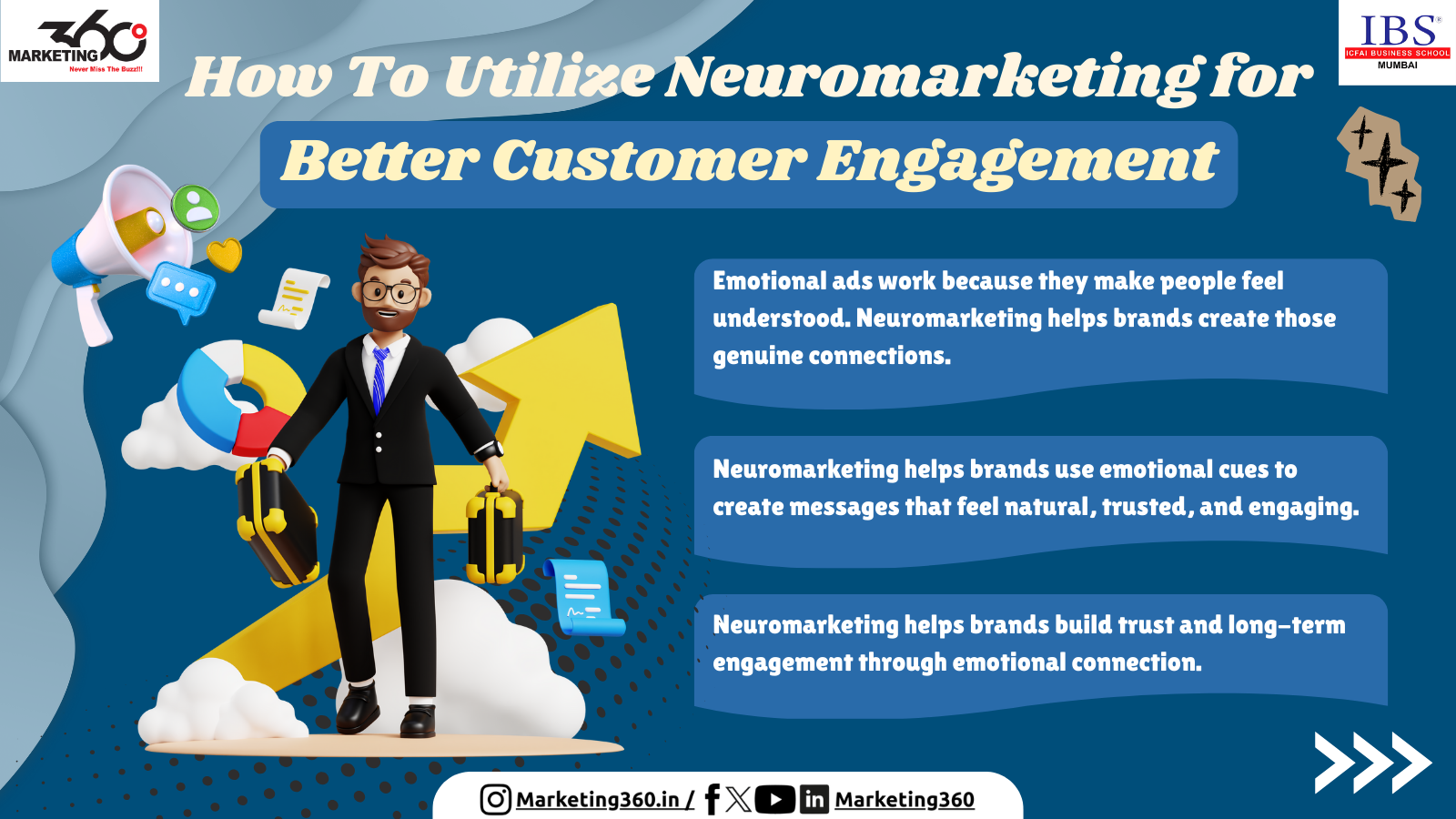
Neuromarketing helps brands understand emotional triggers that drive real customer engagement.
Subconscious responses often shape buying decisions more than logic or price.
Emotion-led marketing builds stronger recall, trust, and long-term loyalty.
Introduction :
Have you ever paused mid-scroll because an ad felt strangely familiar or emotional? Maybe because it made you smile, reminded you of a memory, or simply felt “too real” to ignore. That moment of connection isn’t accidental. In today’s fast-paced digital world, people don’t just buy products; they connect with emotions and experiences. Brands that recognize this are able to form deeper, more meaningful relationships with their audience. This is where neuromarketing steps in. Instead of relying on assumptions, it focuses on understanding how people truly think, feel, and respond. When communication feels natural and emotionally relevant, customer engagement happens effortlessly, because people don’t feel targeted, they feel understood.
At its core, neuromarketing is simply about understanding why people react the way they do. Most of our everyday decisions are guided by emotions, even though we later justify them with logic. Subtle elements like colors, visuals, stories, and small design choices quietly influence how we perceive a brand. Techniques like eye-tracking and brain analysis make neuromarketing insights even more precise, helping brands craft better experiences. Warm tones can create a sense of comfort, storytelling can build trust, and familiar visuals can make a brand feel safe and dependable. By paying attention to these emotional reactions, brands can communicate in ways that feel more natural and meaningful. When messaging is clear and relatable, customer engagement grows effortlessly because people feel comfortable and understood rather than overwhelmed.
Application of neuromarketing :
When brands consistently show up in ways that feel familiar and emotionally aligned, people begin to form real connections with them. Strong brand image isn’t built through one-off campaigns, but through repeated experiences that feel personal and trustworthy. This is why brands like Coca-Cola focus on shared moments of happiness, while Apple builds a sense of aspiration through clean design and simplicity. These brands go beyond selling products; they create emotions that people enjoy associating with. By applying insights from neuromarketing, businesses can better understand which feelings truly resonate with their audience. Whether it’s comfort, excitement, or trust, appealing to the right emotions encourages people to engage, share, and return. Over time, customer engagement deepens because the brand feels like a familiar presence rather than just another option in the market, “helping brands maintain stronger engagement over time.”
Conclusion:
At the end of the day, understanding human behaviour isn’t about clever tactics or manipulation: it’s about understanding people on a deeper level. When brands take the time to observe emotions, reactions, and behaviours, they gain valuable insights into what truly matters to their audience. Utilising emotional insights means designing communication that feels intuitive, honest, and emotionally relevant. Whether through visuals, stories, or experiences, brands that connect with how people feel are more likely to earn trust and attention. In a crowded digital space where audiences are quick to scroll past, the brands that slow them down are the ones that make them feel something. And that emotional connection is what transforms attention into lasting brand image.