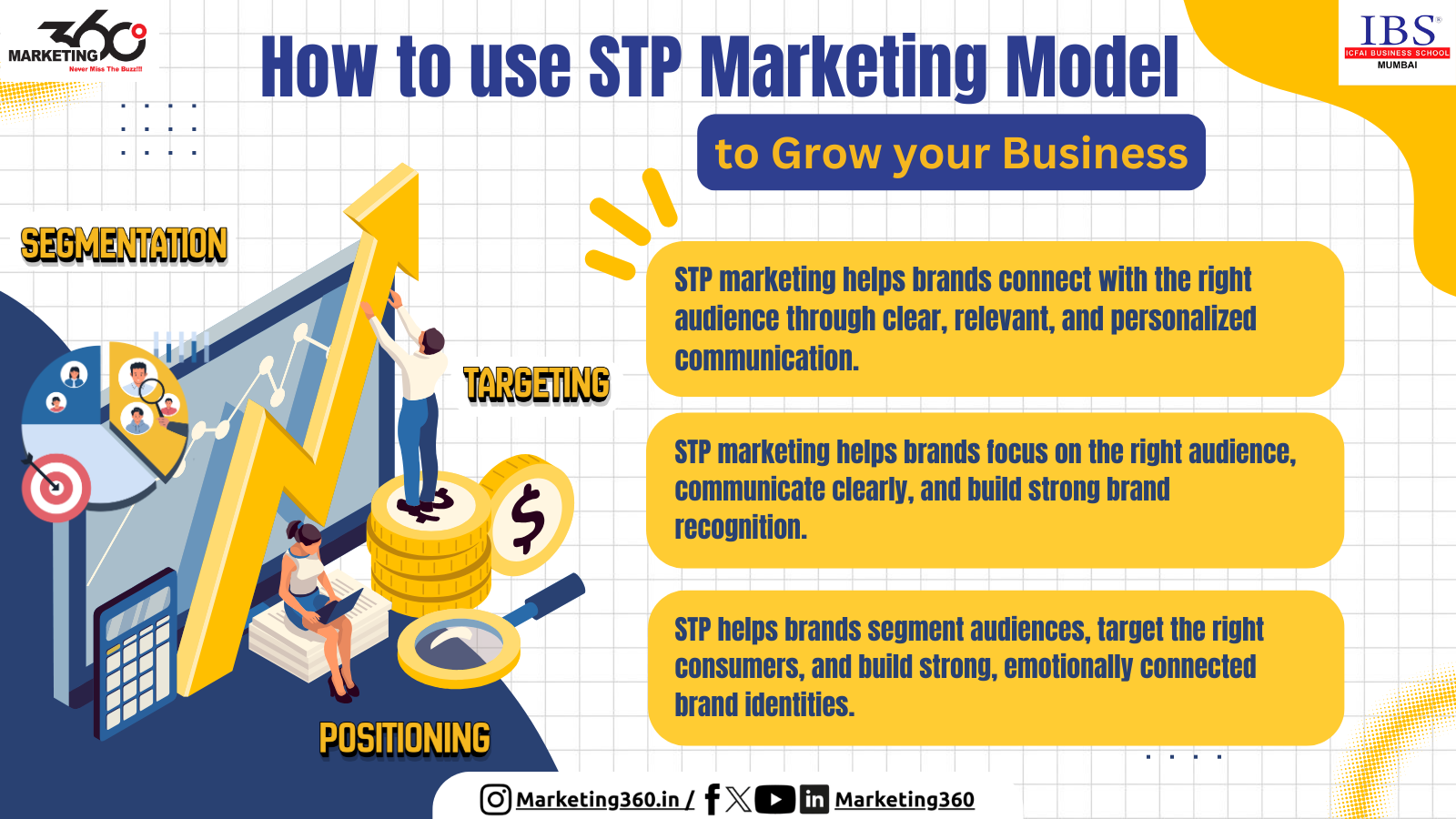
STP helps brands identify and connect with their ideal audience.
Segmentation divides the market into groups.
Positioning defines how the brand is remembered.
First paragraph:
Have you ever come across a brand that feels like it truly understands you? it could be the tone of their advertisement, the relatability of their social media content, or even the experience you have when you walk into their store. This sense of instant connection is rarely accidental. Behind it lies a well-thought-out strategy rooted in understanding consumer needs, emotions, and behavior. In today’s highly competitive market, brands cannot afford to communicate randomly. They need clarity, direction, and relevance. This is where the STP marketingmodel plays a crucial role. By focusing on who the customer is, what they value, and how they make decisions, the model helps brands move from generic messaging to meaningful communication. It combines research with empathy, allowing businesses to design offerings that feel personal rather than promotional. When applied correctly, it ensures that brands are not just seen but remembered, helping them build stronger relationships with their audience and stay relevant in a cluttered marketplace.
In the current marketing landscape, where consumers are exposed to thousands of messages every day, simply being visible is no longer enough. Brands must aim to be distinct and memorable. The STP marketing model, which stands for segmentation, targeting, and positioning, provides a structured framework to achieve this. Segmentation involves dividing a broad market into smaller groups based on shared characteristics such as demographics, lifestyle, behavior, or values. Targeting then helps brands identify which of these segments are most valuable and relevant to their goals. Finally, positioning focuses on shaping how the chosen audience perceives the brand compared to competitors. Together, these three steps help businesses allocate their resources efficiently and communicate with purpose. Rather than trying to appeal to everyone, the model encourages brands to focus on the right audience and craft messages that resonate deeply. Strong brand positioning ensures consistency across communication channels and helps consumers instantly recognize what a brand stands for, making it easier to build trust and long-term loyalty.
Third paragraph:
The effectiveness of the STP marketing model becomes clearer when we look at real-world examples. Segmentation allows brands to understand that different customers have different needs, even within the same product category. Titan, for instance, segments its audience based on lifestyle and preferences. Fastrack targets young, trend-conscious consumers, while Raga caters to women seeking elegance and sophistication. Targeting then ensures that each sub-brand speaks directly to its chosen audience. Paper Boat is another excellent example, as it targets urban Indians who feel nostalgic about traditional flavors and childhood memories. Its communication consistently evokes emotion, making its offerings feel authentic and familiar. The final step, positioning, determines how these brands wish to be remembered. Amul has built iconic brand positioning around being “the taste of India,” blending humor with social relevance, while Nykaa positions itself as an empowering beauty platform that celebrates individuality. These examples show how the model helps brands stay emotionally connected to consumers while achieving strong commercial success.
Conclusion:
The STP model isn’t just a marketing framework; it’s a mindset that shapes brand success. By knowing your audience, speaking their language, and creating a space in their hearts, your brand becomes more than a product; it becomes a story people want to be part of. So, segment wisely, target thoughtfully, and position powerfully—because when your strategy speaks directly to the right audience, growth becomes effortless. External Link: https://bit.ly/3mye8x6